The Unsung Architects: South Asian Producers Are Shaping the Sound of American Music — One Hit at a Time
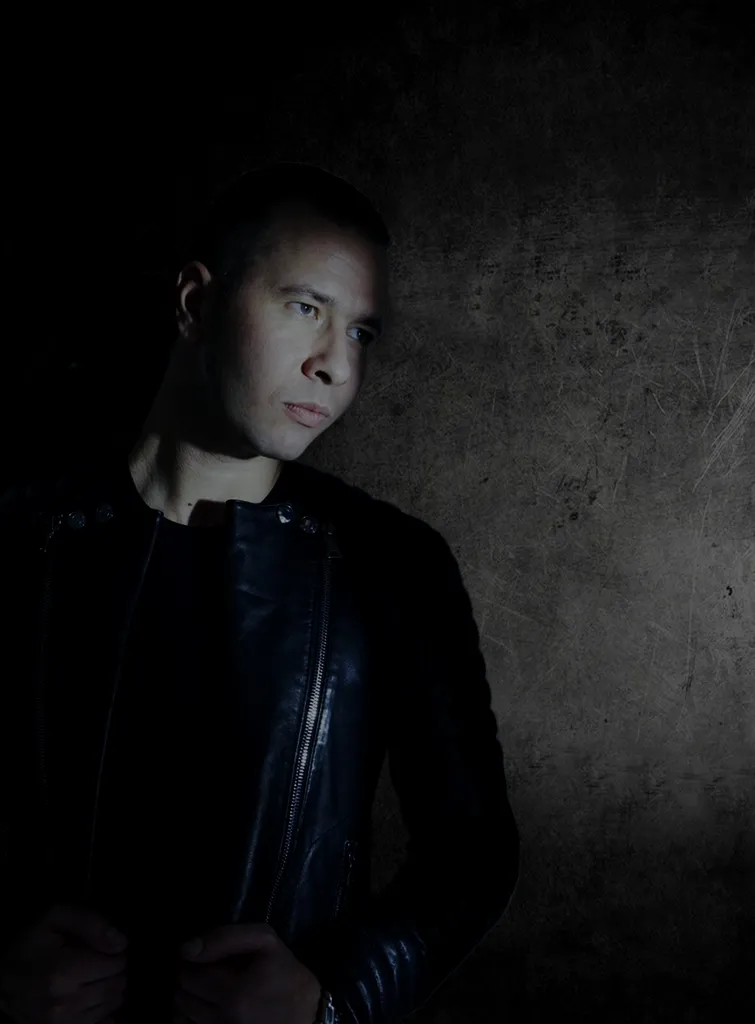
Photo: Deejay-mag, CC BY-SA 4.0, via Wikimedia Commons
Here's a game you can play next time a banger comes on. Listen past the vocals. Past the lyrics. Get into the texture of the thing — the way the bass sits in the mix, the specific crunch of that snare, the choice to drop everything out for exactly two beats before the hook hits. Somebody made those decisions. Somebody spent hours in a room obsessing over them.
In an increasing number of cases, that somebody is South Asian.
The story of South Asian influence in American entertainment usually gets told through actors and directors and the occasional crossover pop star. But the producers? The engineers? The people who are literally building the sonic architecture of the records you love? They tend to stay invisible. That's kind of the job. But their impact is enormous, and it's past time to talk about it.
Who's Actually in the Room
Let's start with some names, because names matter.
Sri Lankar-born, London-raised M.I.A. is the obvious trailblazer — she produced much of her own catalog and brought a wildly hybrid sonic palette to mainstream attention years before "global" became a music industry buzzword. But she's one data point in a much larger constellation.
Abu Dhabi-born, LA-based producer Malay Ho co-produced Frank Ocean's channel ORANGE — one of the most critically acclaimed R&B albums of the last two decades. His fingerprints are on a record that essentially redefined what emotional vulnerability in R&B could sound like. He doesn't come up in most conversations about that album's legacy. He should.
Then there's Rahul Cunningham, working across indie and alternative spaces. Omer Bhatti, who has credits spanning hip-hop and pop. The list goes on. These are artists working at the highest levels of American commercial music, often without the recognition their non-South Asian peers receive.
The Studio as a Cultural Instrument
What makes South Asian producers distinctive isn't some mystical "Eastern influence" checkbox — that framing is reductive and a little lazy. What's more interesting is the breadth of what these producers bring to sessions.
Many grew up with exposure to multiple musical traditions simultaneously. Classical Indian music has an incredibly sophisticated relationship with rhythm, with the tabla offering polyrhythmic complexity that can take a lifetime to master. That kind of deep relationship with rhythm doesn't disappear when someone sits down at a DAW. It shows up in how they think about time signatures, about swing, about where beats land and breathe.
At the same time, a lot of desi producers grew up in the US or UK listening to the same hip-hop, R&B, and rock that everyone else was listening to. They absorbed those influences completely. The combination — that dual musical vocabulary — is a genuine creative asset.
LA, NYC, and the New Studio Hubs
The geography of where this is happening matters. Los Angeles and New York are the obvious centers — they've always been the cities where serious producers go to build careers. But the desi presence in those studios is more significant than the industry's public narrative usually acknowledges.
In LA, you'll find South Asian producers embedded in sessions across genres, from Kendrick Lamar's extended creative circle to indie folk collaborations in Silver Lake to pop production for major label artists. In New York, the hip-hop and R&B production world has a meaningful South Asian presence, particularly among producers who came up through New York's incredibly dense underground scene.
Atlanta is worth watching too. As trap production continues to influence virtually every corner of American music, South Asian producers who've studied its mechanics are starting to make real noise in that ecosystem.
Beyond the Beat: Sound Engineering as Creative Art
Production gets most of the glory, but sound engineering is where records actually become what they are. The mix engineer decides how loud the kick drum hits your chest. The mastering engineer determines how your music translates from studio speakers to phone earbuds to a car stereo at 2am on the highway.
South Asian sound engineers are working at the top of that craft. Engineers like Vlado Meller and the broader network of South Asian-born engineers who've trained at major studios in the US bring an exceptional ear — and often, a relationship with sonic complexity rooted in exposure to Indian classical music's dense harmonic vocabulary.
These aren't marginal contributions. They're decisions that shape how music feels in your body.
The Credit Problem
Here's the uncomfortable part of this conversation: South Asian producers and engineers are often undercredited relative to their contributions. This isn't unique to South Asian artists — it's a broader industry problem that affects producers of color across the board — but it's worth naming specifically.
In an industry where producer credits translate directly into royalties, publishing rights, and future opportunities, being systematically undercredited has real financial consequences. It also shapes whose names get attached to influential work in the historical record.
There's a growing movement within the music industry to address production credit transparency, pushed partly by streaming platforms that now have the infrastructure to display detailed credit information. That's good news for visibility.
The Next Wave Is Already Here
The producers to watch in the next five years are already in studios right now, building their catalogs. Many of them are second-generation South Asian Americans who grew up with both a deep instinct for American pop and a nuanced connection to South Asian musical traditions.
They're not making "fusion" records as a concept. They're just making records — and the fusion is baked in, naturally, because that's who they are.
The sound of American music is changing. Some of the most important hands shaping that change belong to people whose names you might not know yet. But you'll know their work. You already do.