Kathak, Bharatanatyam, and the Stage Takeover America Didn't See Coming
For decades, Indian classical dance in America existed in a kind of beautiful bubble — celebrated fiercely within South Asian communities, performed at Diwali showcases and cultural galas, but rarely stepping into the kind of mainstream venues that get reviewed in the New York Times or clipped on a Gen Z's TikTok feed. That bubble? It's officially burst.
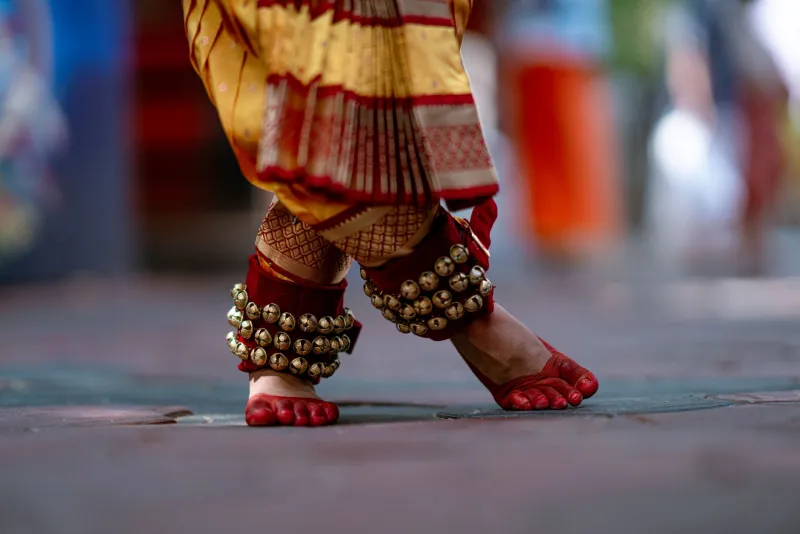
Something genuinely unexpected is happening across American entertainment right now. Kathak's lightning-fast footwork is showing up in choreography challenges with millions of views. Bharatanatyam's geometric precision is getting name-dropped by dancers who learned their craft on YouTube. And Lincoln Center — yeah, that Lincoln Center — has started programming South Asian classical and fusion dance acts to sold-out crowds that skew younger than anyone predicted. The Bollywood-to-Broadway pipeline people keep talking about? It runs straight through the ghungroo.
From the Living Room to the Main Stage
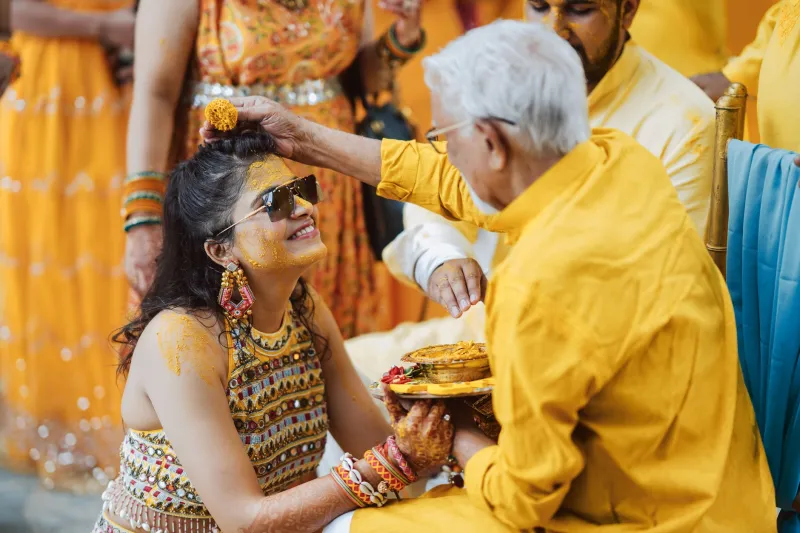
Ask almost any South Asian dancer in America about their origin story and you'll hear some version of the same thing: Saturday morning classes at a local auntie's studio, recitals at the community center, parents recording on a camcorder from the third row. It was a deeply personal tradition, passed down with love but rarely amplified beyond its own community.
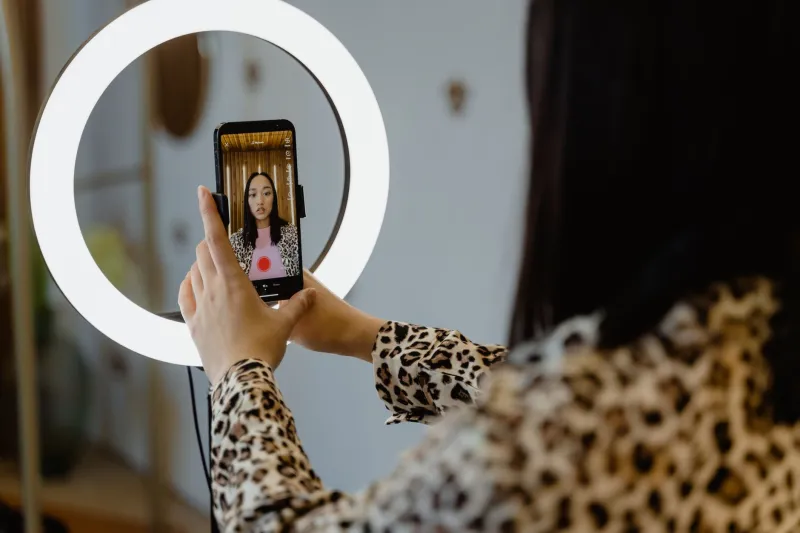
What changed? A few things collided at once. The pandemic pushed a generation of dancers online, where short-form video stripped away the context gatekeeping — suddenly, a 30-second clip of Kathak footwork didn't need an explanation. It just needed to hit. And it did. Creators like Rukmini Vijayakumar and a wave of younger artists began racking up millions of followers not by watering down classical technique, but by letting it speak for itself in high-production, visually arresting videos. Turns out, American audiences respond to mastery — they just needed a format that delivered it.
At the same time, a generation of South Asian Americans who grew up in those Saturday classes started coming of age as professional artists, choreographers, and producers. They didn't have to choose between their classical training and contemporary American performance culture. They built work that held both.
The Fusion Factor (And Why It's More Complicated Than It Sounds)
Here's where it gets interesting — and a little contentious. The word "fusion" gets thrown around a lot when people talk about Indian classical dance reaching mainstream American audiences, and not everyone in the dance community is comfortable with it.
On one hand, choreographers blending Bharatanatyam with hip-hop or Kathak with contemporary ballet have undeniably opened doors. Pieces that might have felt inaccessible to a non-South Asian audience suddenly find a point of entry, a familiar rhythm or movement vocabulary that draws people in. That's real, and it matters.
But some dancers and teachers are quick to point out that the classical forms themselves — developed over centuries, rooted in devotional tradition and rigorous technique — don't need a hip-hop bridge to be compelling. The argument goes that the rush to fuse can sometimes signal a lack of trust in the original art form, an assumption that American audiences need something "translated" for them. A growing number of young South Asian dancers are pushing back on that assumption entirely, presenting pure classical work and betting on audiences to meet them there. And increasingly, those bets are paying off.
The most exciting work happening right now lives somewhere in that tension — artists who know the classical tradition deeply enough to play with it on their own terms, rather than just layering it over a trending sound.
Gen Z Found the Ghungroo
If you want to understand why Indian classical dance is breaking through right now, spend twenty minutes on TikTok. The platform has become an unlikely archivist and amplifier of South Asian performance culture, and the dance content that performs best isn't always the most fusion-forward. Sometimes it's a clip of a dancer in full Bharatanatyam costume executing a complex adavu sequence with the kind of technical control that makes your jaw drop. The comments fill up with people asking where to take classes, what the style is called, how long it takes to learn.
That curiosity is converting into real-world engagement. Dance schools with South Asian classical programs are reporting waitlists. Universities with performing arts programs are fielding requests to add Kathak and Bharatanatyam to their curricula. And touring companies that specialize in these forms are selling out mid-sized American venues in cities where, five years ago, they would have struggled to fill a house.
Part of this is the broader cultural moment — South Asian representation across film, music, and television has been building for years, and it's created a kind of permission structure. When South Asian culture shows up on Bridgerton or in a Beyoncé visual album, it signals to mainstream American audiences that there's a whole world worth exploring. Classical dance is one of the deeper layers of that world, and audiences are starting to dig.
The Choreographers Rewriting the Rules
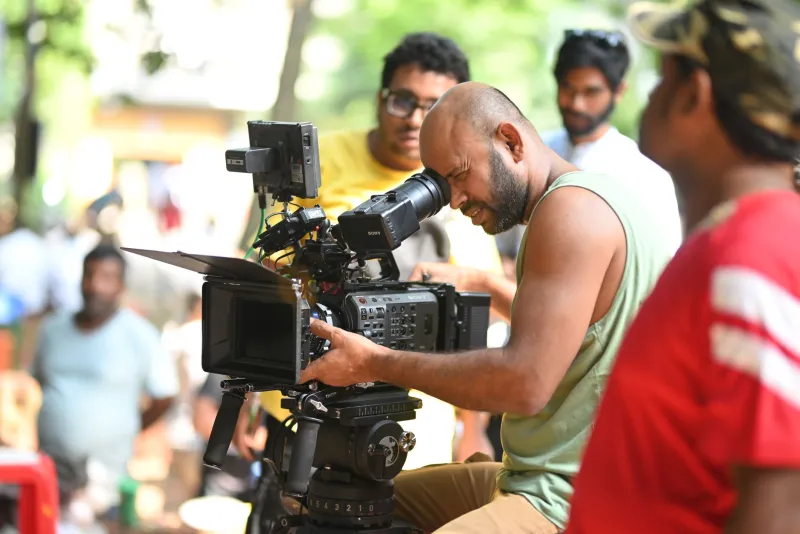
The artists driving this shift are worth paying attention to. They're not waiting for institutional gatekeepers to validate what they're doing. They're building audiences directly, producing their own shows, and using social platforms to document both the art and the process — the years of training, the physical discipline, the cultural weight of the tradition they're carrying.
That transparency is part of what's resonating. American audiences, especially younger ones, are drawn to craft when they can see what it actually takes. A behind-the-scenes video showing the hours of practice behind a two-minute performance builds the kind of connection that a polished stage presentation alone can't always achieve. These dancers are giving people a reason to care before they ever buy a ticket.
And the venues are catching up. Presenters at major American performing arts centers are actively seeking out South Asian classical and fusion work in a way that feels genuinely different from the tokenism of past decades. Whether that momentum holds — whether it translates into sustained programming, real commissioning budgets, and long-term institutional support — is the question everyone in the community is watching closely.
What Comes Next
The honest answer is that nobody knows exactly where this goes. Cultural moments are notoriously hard to sustain, and there's always a risk that mainstream American interest in Indian classical dance remains surface-level — a trend cycle that peaks and moves on without leaving much behind.
But there are reasons to think this one has more staying power. The South Asian American community that has kept these traditions alive for generations isn't going anywhere. The young dancers who grew up in those Saturday classes are now the ones building the infrastructure — the companies, the schools, the online communities — that will carry the art forms forward regardless of what mainstream entertainment does next.
And increasingly, those dancers aren't framing what they do as a niche tradition finally getting its due. They're framing it as exactly what it is: one of the world's great performance art forms, finally getting the American stage it always deserved.