Behind the Camera and Finally in Charge: South Asian Creators Are Reshaping Hollywood on Their Own Terms
For a long time, the South Asian presence in Hollywood was mostly decorative. A cab driver here, a tech nerd there, maybe a brief cameo that was supposed to feel like progress. The conversation around representation focused almost entirely on faces on screen — who was cast, who was snubbed, who got a line that wasn't a punchline. But a quieter, more consequential shift has been building for years, and it's finally impossible to ignore: South Asian storytellers are moving into the rooms where decisions actually get made.
They're not just acting in the shows anymore. They're creating them.
The Room Where It Happens
The writer's room has historically been one of Hollywood's most gatekept spaces. Breaking in requires a specific combination of connections, timing, and — let's be honest — cultural fluency with a very particular slice of American life. For South Asian writers, that barrier was compounded by the industry's general disinterest in stories that didn't fit neatly into existing templates.
That's started to crack open in a real way. Showrunners like Mindy Kaling blazed a trail that's now wider than it's ever been. But what's happening right now feels different from the Kaling era — less about one exceptional individual carving out space and more about a wave of creators arriving with institutional backing behind them.
Streaming changed the math. Netflix, Hulu, Amazon Prime, and Apple TV+ all operate on a content volume model that traditional studios never did. They need shows, they need diverse audiences, and they've learned — sometimes slowly, sometimes the hard way — that authentic storytelling drives engagement in ways that tokenism simply doesn't. That business logic has opened doors that decades of advocacy couldn't fully budge.
Names Worth Knowing Right Now
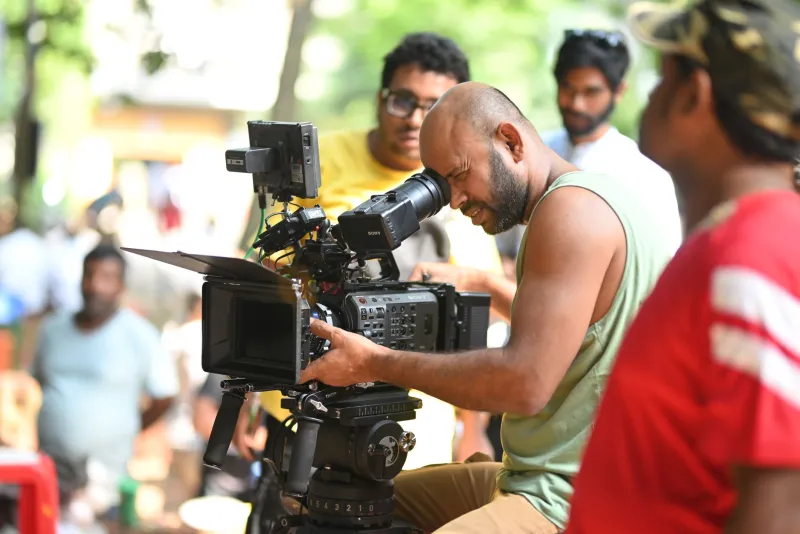
If you're not already tracking Rishi Bhilawadikar, Meera Menon, or Kabir Akhtar, now's a good time to start. These are filmmakers and television directors who've built credits across prestige American TV — not as diversity hires, but as working professionals whose aesthetic sensibilities are actively shaping some of the most-watched content in the country.
Then there's the producing side. South Asian producers have started landing overall deals at major studios and streamers, the kind of arrangements that give a creator a home base and a development budget. That's a structural shift. An overall deal isn't just a job — it's a signal that a studio is betting on your creative instincts across multiple projects. It means your sensibility is considered an asset, not a liability to be managed.
On the film side, directors with South Asian roots are getting shots at mid-budget genre films and prestige dramas — the kinds of projects that used to funnel almost exclusively to white male directors with a single indie hit to their name. The pipeline is still imperfect, but it's real.
What Changes When the Storyteller Changes
Here's the thing that gets undersold in these conversations: it's not just about representation metrics. When a South Asian writer is running a room, the stories that get told are fundamentally different — not because they're required to write about being South Asian, but because their entire frame of reference shifts what feels worth exploring.
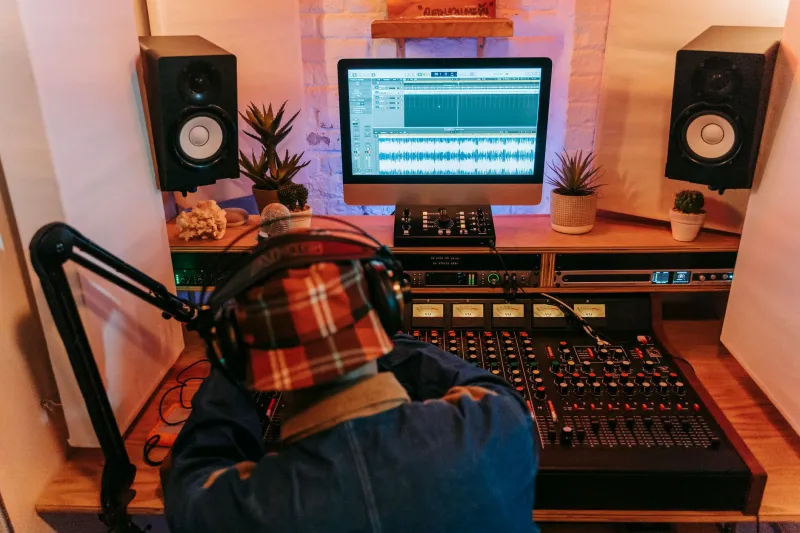
Family dynamics look different. The tension between ambition and obligation reads differently. Humor lands in different places. Even the music choices in a scene — the sonic world of a show — can shift when someone with a desi cultural memory is making those calls. And yes, that connects directly to how South Asian music is entering mainstream American entertainment, not as novelty but as texture, as score, as genuine creative contribution.
The shows being developed by South Asian creators aren't all diaspora narratives. That's actually the point. A South Asian showrunner can greenlight a thriller, a romantic comedy, a period drama — and bring a perspective that makes that story feel fresh without making the story about being South Asian. That's creative freedom. That's what having real power looks like.
The Barriers That Haven't Budged
Let's not get too celebratory before acknowledging what's still broken. The development process remains brutal and slow, and South Asian projects — particularly those set primarily in South Asia or centering non-diaspora characters — still face skepticism from executives who worry about "relatability" for American audiences. That's a polite way of saying they're still not sure American viewers will connect with stories that don't center whiteness.
The financing gap is real too. Independent South Asian-led productions often struggle to secure the kind of budgets that comparable English-language or European productions attract without a second thought. Distribution remains a chokepoint. A film can be made, celebrated at festivals, and still never find its way to a wide American audience because the infrastructure for marketing and distributing South Asian content to mainstream US viewers hasn't fully caught up.
And the pipeline itself has gaps. The industry's diversity programs, while well-intentioned, often funnel South Asian talent into specific lanes — drama, comedy — while leaving genre filmmaking, action, and big-budget spectacle as spaces where South Asian directors are still notably rare.
Why This Moment Feels Different
What gives this current wave its momentum isn't just individual talent — it's community. South Asian writers, directors, and producers are networking, mentoring each other, and building organizational infrastructure in ways that previous generations couldn't or didn't. Organizations and collectives focused specifically on South Asian voices in entertainment have grown in visibility and influence, creating a support system that makes it easier for the next person coming up behind.
There's also a generational confidence that's hard to quantify but easy to feel. Younger South Asian creators aren't approaching Hollywood with the same code-switching anxiety that older generations often describe. They're not trying to minimize their background to fit in — they're treating it as a creative advantage, a lens that produces stories the industry genuinely needs.
And audiences are responding. When South Asian-led content performs — and it has been performing — it makes the business case louder. That's the language Hollywood speaks most fluently.
The Long Game
Real creative power isn't a trend. It's not a diversity initiative or a moment. It's built through sustained presence, through creators who stay in the industry long enough to become the people who greenlight the next generation's projects.
That's the horizon South Asian showrunners are building toward right now. Not just getting the keys to Hollywood — but eventually having a hand in designing what the whole place looks like. The stories are just starting to get interesting.